The Energetic Herbal: Plants, Planets and Practice
Where plants, planets and physiology meet.
Introduction: The Light of Nature (Natura Sophia)
Energetic herbalism is a practice rooted in the understanding that the natural world holds an intricate living intelligence. The followers of Paracelsus called this Natura Sophia, wisdom obtained from the Light of Nature, and it forms the perennial foundation of this work. Natura Sophia means, quite simply, the wisdom of nature. This is not abstract philosophy but a truth recognised by Paracelsus and later deepened by thinkers such as Jacob Boehme. It speaks of a light woven through the whole of creation, the lumen naturae, which shines as intelligence and sentience within every aspect of the natural world.
Energetic Herbalism
To enter into a relationship with this wisdom, we must learn to perceive differently. It is not gathered by dissecting or reducing, but through a deeper mode of knowing often called gnosis cardiaca, the knowledge of the heart. This way of seeing allows us to recognise nature as a conscious, intelligent presence, and to perceive the signatures, correspondences, and living patterns that bind the microcosm of the human being to the macrocosm of the cosmos.
From this perspective, healing is not the suppression of symptoms but a transformational journey. We begin to understand illness as a disruption in the flow of the vital force, and health as the restoration of the right relationship between the individual and the patterns of life that sustain them. Many different aspects dim an individual’s light, of life force, physical, mental and spiritual.
This is the foundation of what we call Energetic Herbalism. It is a practice that honours the Natura Sophia tradition while drawing on vitalist principles shared by Ayurveda, Chinese medicine, and the Eclectics of North America. Plants are not just chemical entities but living beings whose forms, tastes, colours, and habitats reveal their deeper purposes. By reading this language, we learn to match the energetic pattern of the plant with the energetic pattern of the person.
In contrast to allopathic herbalism, which often isolates compounds and targets symptoms, energetic herbalism works with the wholeness of the plant and the wholeness of the person. We are not looking only for the “curcumin” in turmeric, but for turmeric’s fire, its capacity to resolve dryness, and the way it restores balance within the body’s larger pattern.
Natura Sophia reminds us that nature’s wisdom is perennial, ever-present, and available to those who approach with humility and attention. Through this lens, medical astrology becomes not a tool of prediction but a map of archetypal tendencies , showing us constitutional strengths, predispositions, and the places where the vital force may falter. When considered together, astrology and herbalism form an energetic architecture, a universal language that reconnects people, plants, and planets into a single pattern of healing.
“To understand correctly the meaning of the words Alchemy and Astrology, it is necessary to understand and to realize the intimate relationship and identity of the Microcosm and Macrocosm, and their mutual interaction. The art of healing comes from nature, not from the physician. Therefore the physician must start from nature, with an open mind”
Part 2: The Energetic Architecture of Healing
The Core Frameworks of Energetic Correspondence
A note before we go further. Everything that follows is educational and historical. Medical astrology and traditional herbalism do not diagnose, treat or cure illness, and nothing here replaces the advice of your doctor or pharmacist. Several of the plants described interact with prescription medicines. Always speak to a qualified practitioner before taking a herb, particularly if you are pregnant, breastfeeding or on medication.
Energetic Architecture is the natural language of life, a system of patterns that reveals the interconnections between the human being (microcosm) and the cosmos (macrocosm). By learning to perceive this concept, we gain a mechanism between the spiritual and the material, allowing us to see how the physical properties of a plant relate to its deeper evolutionary purpose.
In this section will explore the three primary patterns that form this framework: the Seven Planets, the Four Elements, and the Three Philosophical Principles (Sulphur, Mercury and Salt). These patterns are understood through the lenses of two ancient doctrines.
The Doctrine of Correspondences teaches that everything in creation is connected by patterns of similarity. Things that share the same qualities “speak” to each other. For example, the Fire Element links together summer, the Sun, the lion, the human heart, and the herb St. John’s Wort. They look very different, but each carries the fiery qualities of warmth, strength, and radiance.
The Doctrine of Signatures takes this further. It says that a plant’s shape, colour, and the way it grows are clues to what it can be used for in healing. Nature leaves “signatures” on plants so we can read their inner virtues.
Take Nettle (Urtica dioica). Its jagged leaves and sharp sting cause instant heat and redness on the skin. This signature points to its connection with Mars, the planet of blood, inflammation, and vitality. It shows us that nettle works with the blood and embodies a protective, warrior-like energy.
The Seven Planets: Archetypes of Physiology and Psyche
The Seven Planets represent fundamental layers of our psychological, spiritual, and physiological being. Each is an archetypal force that governs specific functions and systems within the human organism, providing a map for understanding health and disease from a holistic perspective.
The Sun (Sol)
General Significations: The Sun represents our core identity, vitality, life-force energy (lebensgeist, prana), and our soul's purpose. It is the center of life, governing our will to live and our conscious, awakened state.
Anatomical & Physiological Rulerships
Primary Organ: Heart
System: Cardiovascular system (function and distribution)
Vitamins & Minerals: Gold, Iodine, Magnesium, Vitamin A
Energetic Qualities & Actions: Expansive, radiating, constructive energy. The Sun's nature is Hot, governing overall vitality and recuperative powers.
Pathological Tendencies: A well-placed Sun indicates strong vitality and resilience. Afflictions can reduce stamina and recuperative power. Physiologically, pathologies often relate to heart function, circulation, and overall energy reserves. Psychologically, afflictions can manifest as issues with pride, arrogance, and a compromised sense of self-esteem or "backbone."

The Moon (Luna)
General Significations: The Moon governs our emotions, intuition, memory, and the subconscious. It represents the part of our being that is most vulnerable, as well as our capacity to nurture and protect.
Anatomical & Physiological Rulerships:
Organs: Stomach, uterus, breasts, ovaries
Systems: Digestive system, lymphatic system (with Neptune), limbic system (with Neptune), meninges, mucus membranes
Functions: Bodily fluids and rhythms (menstrual, circadian), eating habits, female fertility, myelination, progesterone production
Energetic Qualities & Actions: Neutral/temperate, cleansing, fluidic. The Moon governs mutation and change, acting through the body's fluids.
Pathological Tendencies: Physiologically, afflictions can manifest as digestive difficulties, constipation, menstrual cycle issues, mood swings, fluid retention, and psychosis. Psychologically, especially with Saturn, lunar afflictions are a common indicator for shyness, which can be a form of instinctive fear compensated by an inner conviction of superiority.
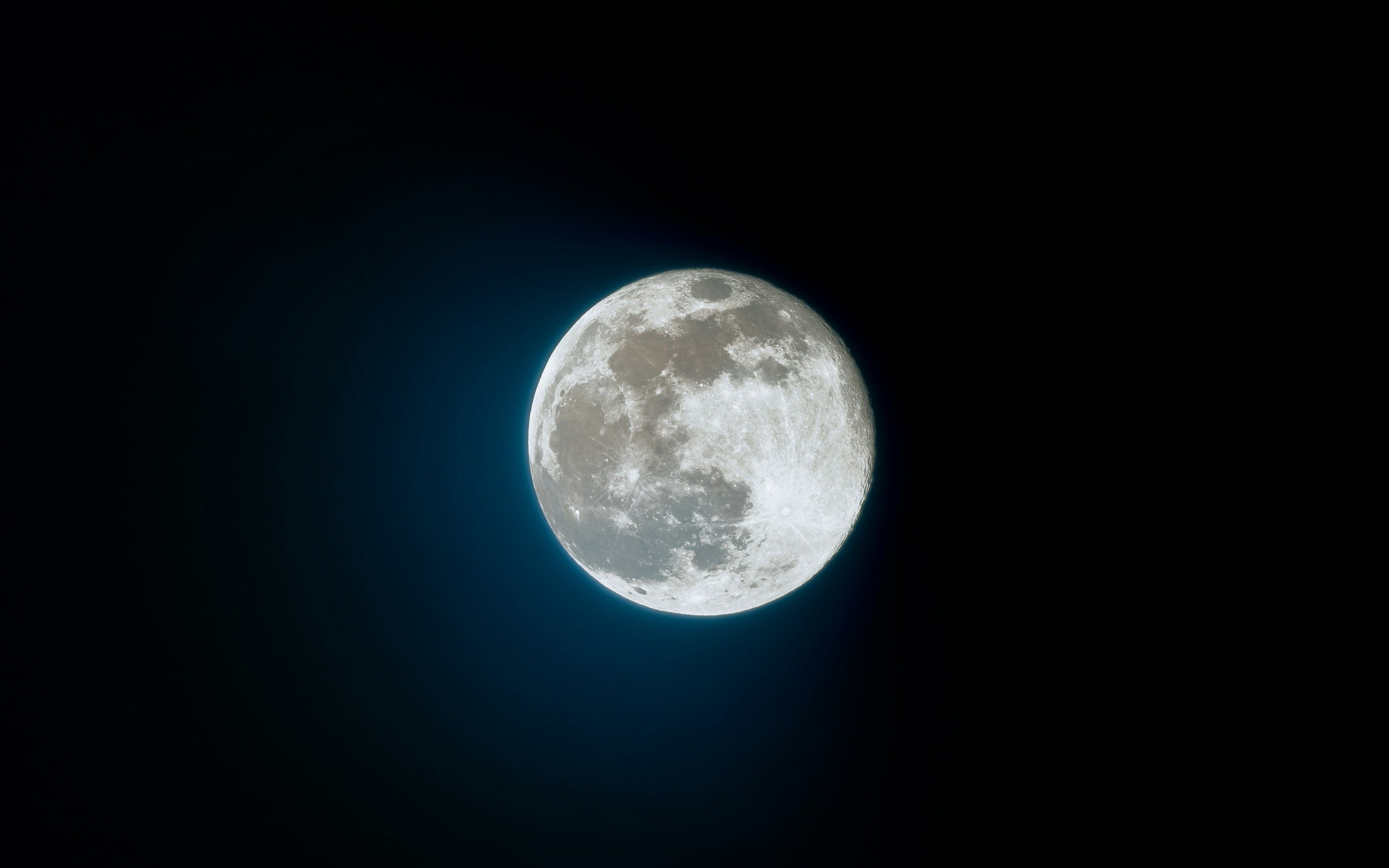
Mercury
General Significations: Mercury rules the mind, communication, learning, memory, and information processing. It governs mental alertness and the transmission of signals.
Anatomical & Physiological Rulerships
System: Nervous system (central and peripheral)
Functions: Speech, memory retrieval, sensory processing, respiration
Vitamins: B-Complex vitamins, particularly Thiamine (B1), which is crucial for hydrochloric acid production in the stomach, linking the nervous system to Virgo-ruled digestive function.
Energetic Qualities & Actions: Dualistic, sometimes wet, sometimes dry; typically considered cool or cold. Mercury's energy moves quickly.
Pathological Tendencies: Afflictions can lead to disorders of speech, learning difficulties, attention issues, and sensory processing disorders. A retrograde Mercury at birth can internalise its expression, making natives more prone to these challenges. Psychologically, an afflicted Mercury can result in inaccuracy and mental carelessness, particularly when aspected by Mars.
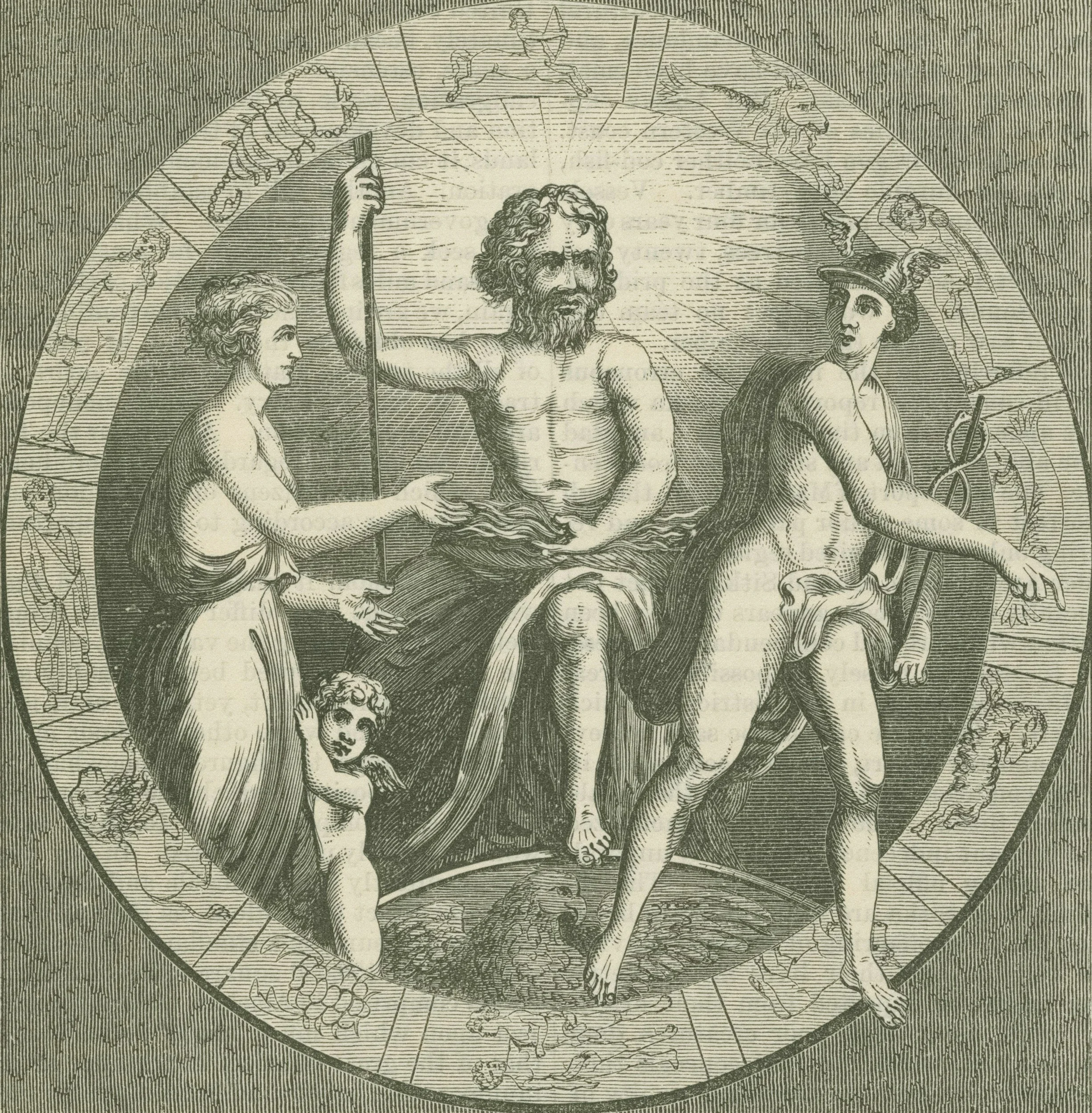
Venus
General Significations: Venus represents harmony, relationship, love, and beauty. It governs our social graces and the impact of relationships on health.
Anatomical & Physiological Rulerships:
Organs: Kidneys, ovaries, fallopian tubes, skin, hair, nails
Systems: Endocrine system, venous circulatory system
Functions: Hormone balance, physiological homeostasis, fluid and electrolyte balance, egg production, glucose metabolism
Vitamins & Minerals: Copper, Vitamin B3 (Niacin), Vitamin E
Energetic Qualities & Actions: Balancing, harmonising, warm, moist, fertile.
Pathological Tendencies: Imbalances can manifest as hormonal disturbances, kidney issues, skin conditions, and a tendency toward overindulgence, especially in sugars. Cysts and benign growths are also associated with Venus. Psychologically, Venus seeks compromise and can be overly adaptable to maintain harmony, sometimes at the expense of one's own needs.
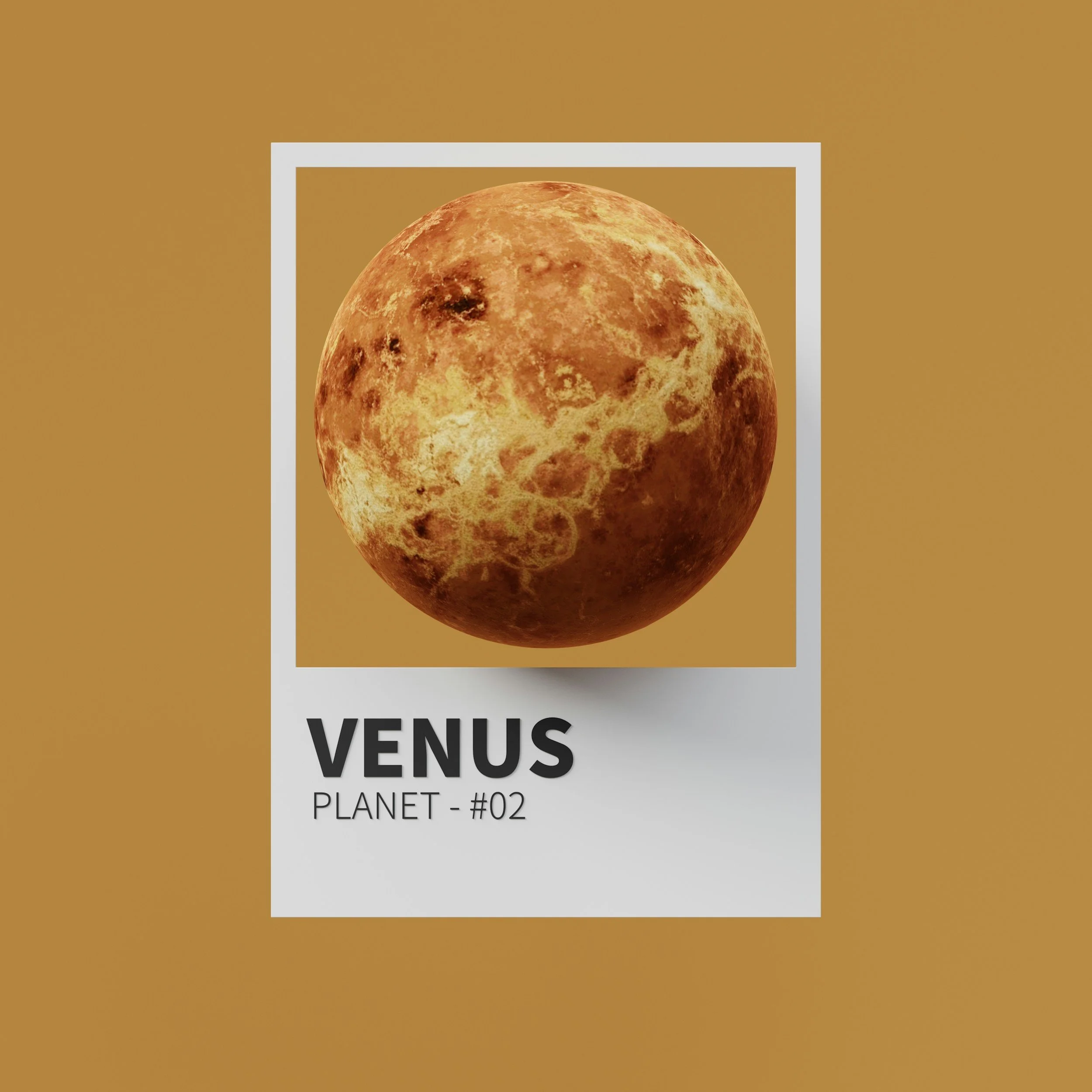
Mars
General Significations: Mars governs action, willpower, motivation, ambition, anger, and physical strength. It rules sharp instruments, separation, and virility.
Anatomical & Physiological Rulerships:
Organs: Adrenal glands, gallbladder
Systems: Muscular system
Functions: Red blood cell production, heat production, adrenaline secretion
Vitamins: Vitamin B-12
Energetic Qualities & Actions: Hot, dry, yang, expulsive, proceleusmatic (augmenting and exciting). Mars is associated with tension, heat, and eruptive action.
Pathological Tendencies: Excess or afflicted Mars energy can lead to inflammation, fevers, rashes, boils, impure blood, high blood pressure, and accidents (cuts, wounds). Psychologically, it can manifest as aggression, argumentativeness, and adrenal exhaustion. Afflictions to Mercury by Mars often manifest as carelessness, untruthfulness, and exaggeration.
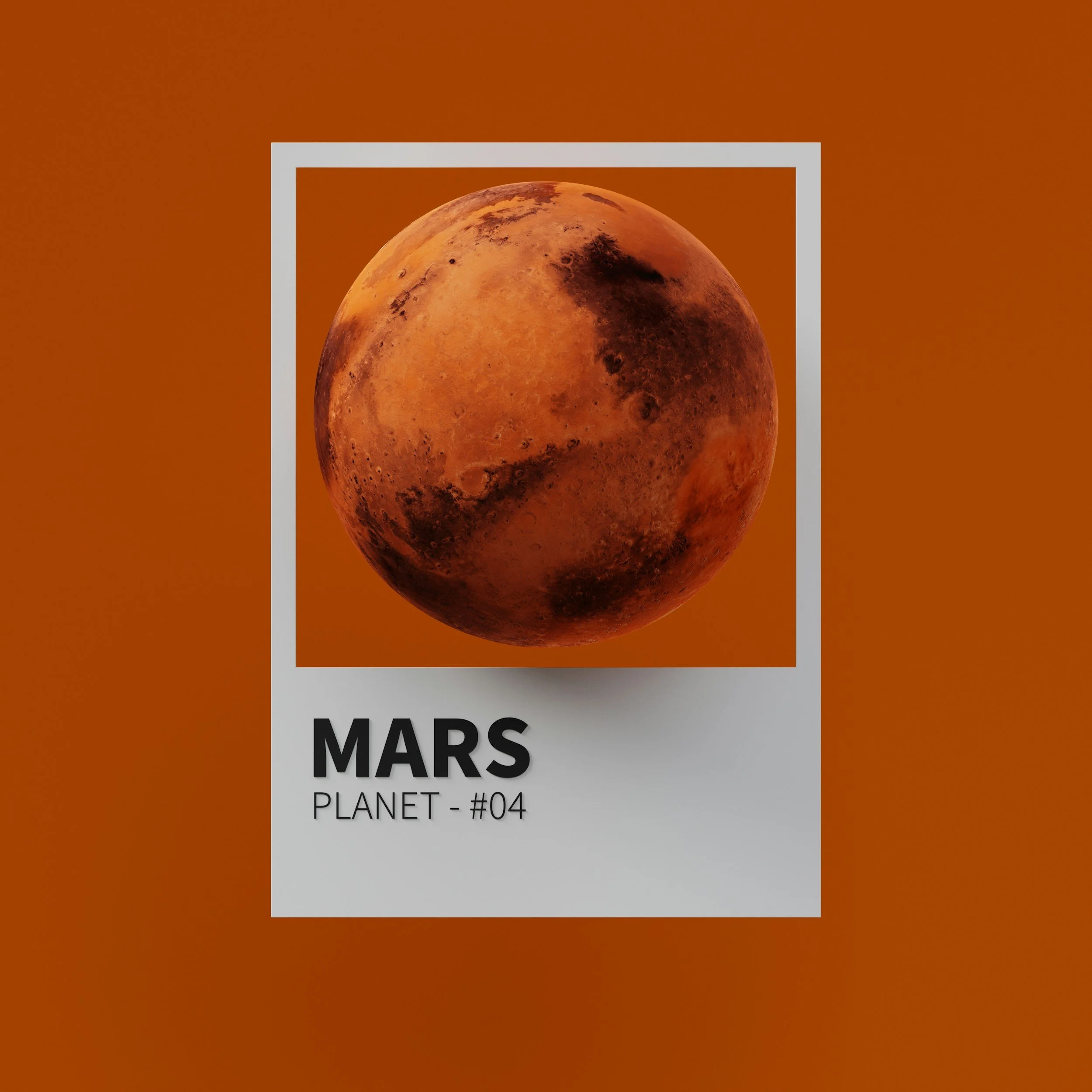
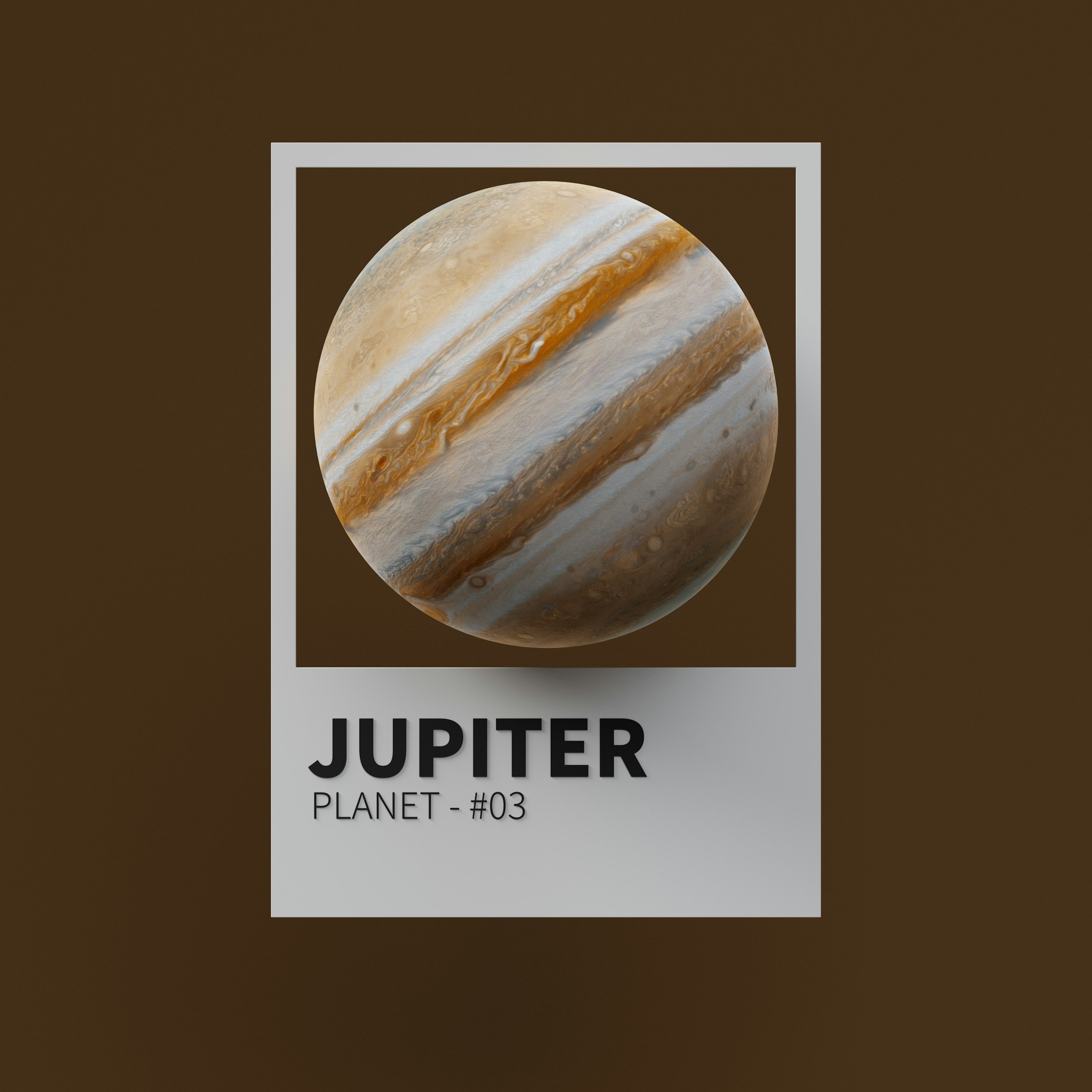
Jupiter
General Significations: Jupiter represents expansion, faith, optimism, and our connection to a higher purpose. It governs growth, abundance, and judgment.
Anatomical & Physiological Rulerships
Organs: Liver, pancreas (co-ruler), pituitary gland (co-ruler)
Functions: Fat metabolism, cholesterol regulation, synthesis of fatty acids, hormone production (thyroid)
Vitamins: Vitamin B-6, Choline
Minerals: Chromium, Manganese
Energetic Qualities & Actions: Hot, moist, building, expansive.
Pathological Tendencies: Afflictions can lead to greed, over-indulgence, and excess growth. Physiologically, this can manifest as liver issues, blood sugar dysregulation, high cholesterol, and tumors. Psychologically, an afflicted Jupiter square the Sun can manifest as mental conceit (in mutable signs) or a feeling of general self-laudation (in fixed signs).
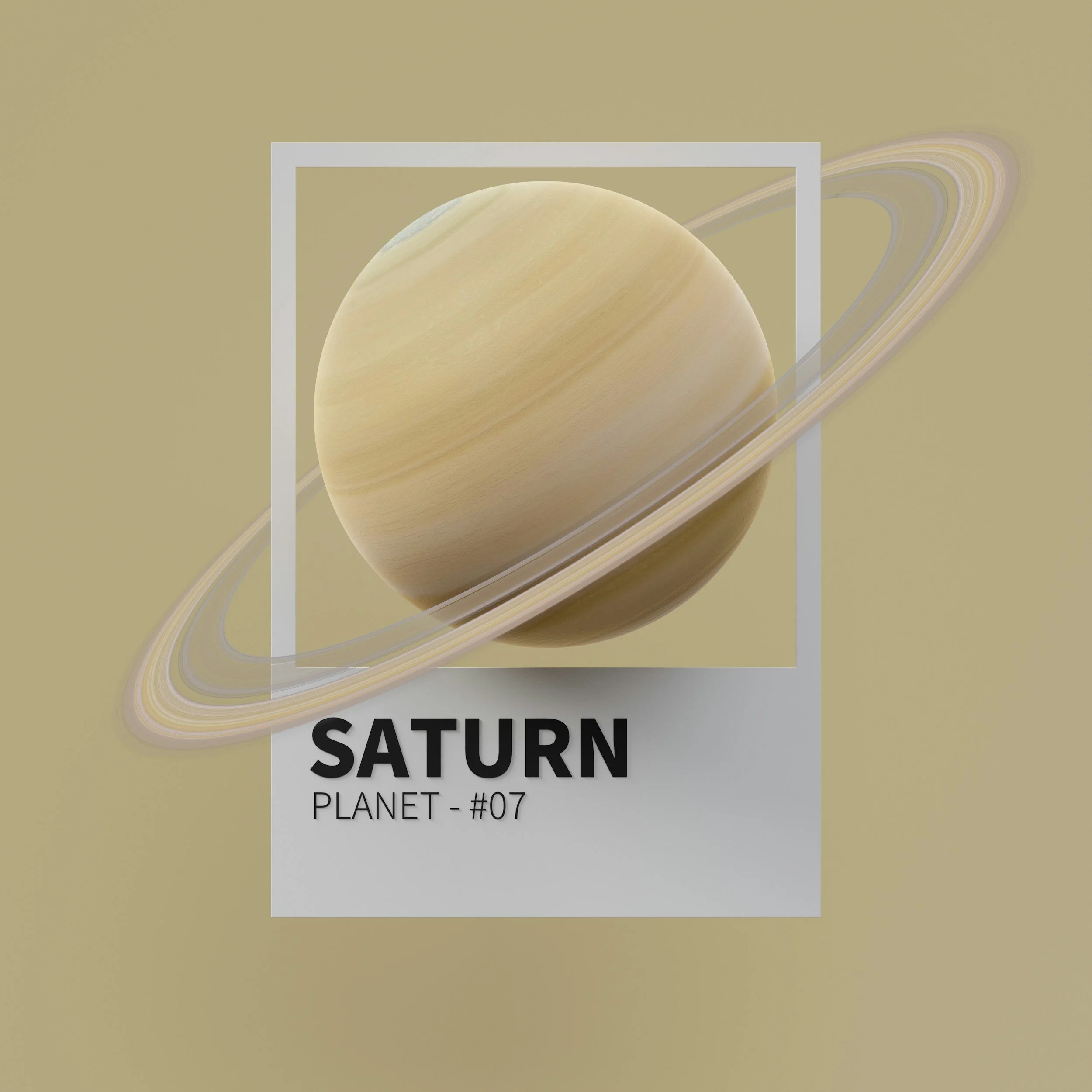
Saturn
General Significations: Saturn rules structure, boundaries, discipline, limitation, and time. It governs karmic patterns, life lessons, and challenges that lead to wisdom.
Anatomical & Physiological Rulerships:
Organs: Gallbladder, spleen, parathyroid gland
Systems: Skeletal system (bones, joints, teeth, cartilage)
Tissues: Skin, hair, nails, ligaments, tendons
Functions: Structure of the brain, mineral composition of blood, formation of stones
Vitamins & Minerals: Vitamin C, Sulphur, Calcium
Energetic Qualities & Actions: Cold, dry, retentive, constricting, scybalous (related to hard, dry feces). Saturn's action is contracting and crystallizing.
Pathological Tendencies: Saturn is associated with chronic, restrictive, and degenerative conditions. Pathologies include arthritis, osteoporosis, skin diseases, blockages, stones, and conditions related to coldness, dryness, and constriction. Psychologically, Saturnian-Lunar afflictions are the usual indication for shyness, which is often a form of instinctive fear of others compensated by an inner conviction of superiority.
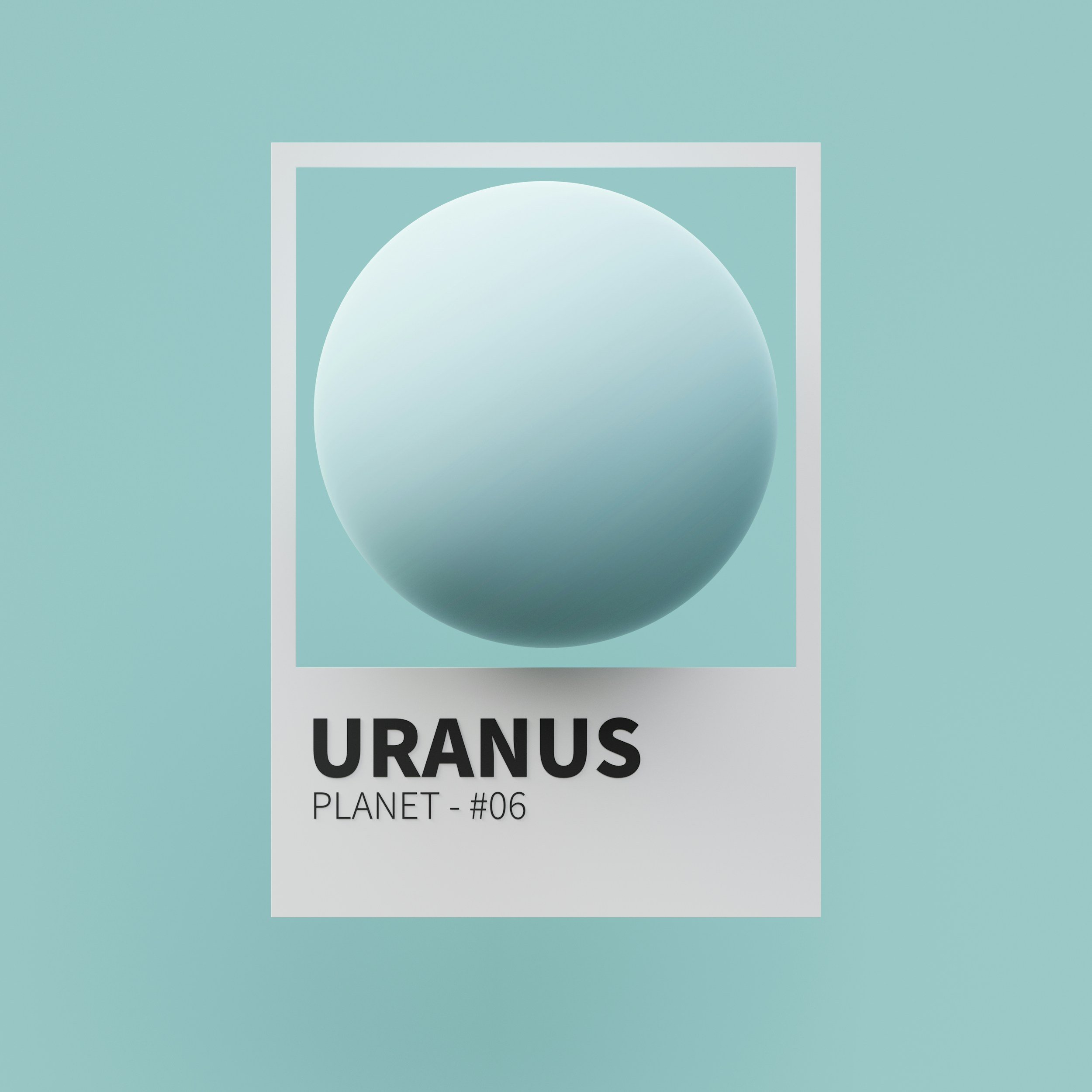
Uranus
General Significations: Uranus is associated with sudden change, disruption, chaos, and eccentric behavior. It seeks to break free from conformity to arrive at one's unique, unconditioned nature.
Anatomical & Physiological Rulerships
Systems: Nervous system (impulses), circulatory system (gases in blood), brain (as a whole), lungs
Functions: Coordination of rhythms, impulses, and systems; electrical signaling
Energetic Qualities & Actions: Spasmodic, inflammatory, uncoordinated, fast, chaotic.
Pathological Tendencies: Afflictions can manifest as nervous system disorders, narcolepsy, seizures, varicose veins, spasms, and "crossed wiring" or dysfunctional signaling within the body. Psychologically, it can express as tremendous powers of vituperation and denunciation, and a tendency to blend antiquarianism with ultra-modernism.
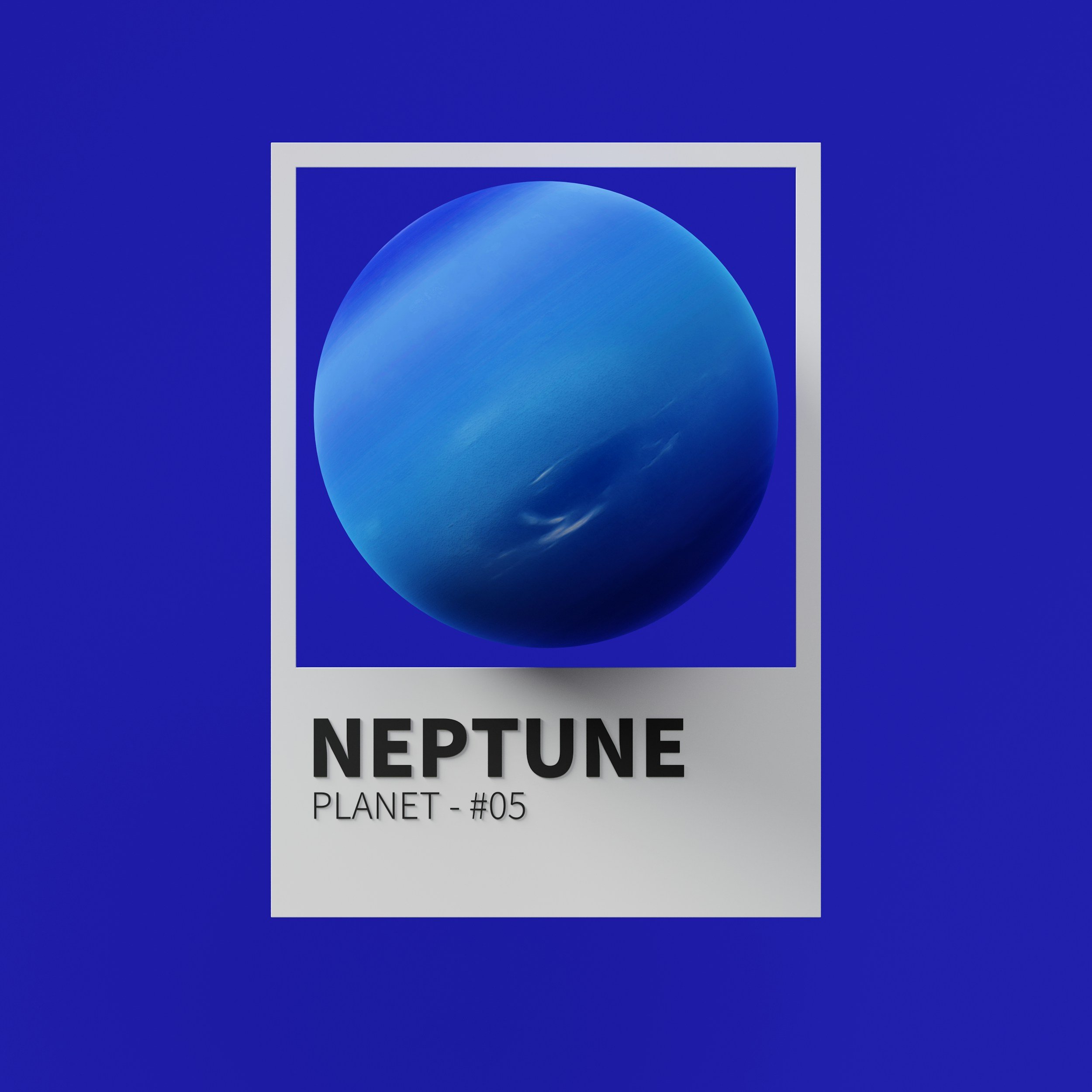
Neptune
General Significations: Neptune is connected to mysticism, spirituality, confusion, dissolution of boundaries, and escapism. It rules dreams, visions, etheric energy, and altered states of consciousness.
Anatomical & Physiological Rulerships
Gland: Pineal gland
System: Lymphatic system (with the Moon)
Functions: Sleep-wake cycles, melatonin production, tissue permeability, immune system
Other: Funguses, parasites, poisons, pharmaceuticals
Energetic Qualities & Actions: Cold, wet, sedating, leaky, depleting of vitality. Neptune dissolves and makes tissues more permeable.
Pathological Tendencies: Neptune is often connected to misdiagnosis or conditions that are difficult to diagnose. It rules allergies, autoimmunity, addiction, poisoning, and chronic, depleting illnesses. Psychologically, it is often associated with a deep love of animals and a compassionate, sensitive nature that can become boundaryless or escapist when afflicted.
Pluto
General Significations: Pluto governs deep psychological healing, transformation, power, obsession, and trauma. It rules regeneration, detoxification, purge, and the cycle of death and rebirth.
Anatomical & Physiological Rulerships
System: Endocrine system (glands), elimination channels
Organs/Glands: Colon, pituitary, pineal, thyroid, adrenals
Functions: Detoxification, elimination, regeneration, enzyme and hormone production, birth and death processes
Other: Tumours, malignancies, viral and bacterial infections, plagues, necrosis
Energetic Qualities & Actions: Regenerative, transformative, extremes of retention versus expulsion.
Pathological Tendencies: Pluto is linked to obsessions, compulsions, addictions, and deep-seated trauma. Physical manifestations can include tumours, cancers, viral and bacterial plagues, abscesses, and issues related to toxicity and elimination. Its placement can indicate areas of the life that are polarizing and work in extremes.

The Four Elements & Qualities
The Elements represent the fundamental energetic forces that shape all of creation. They are archetypal powers that manifest within our constitution, physiology, and psychology.
Fire (Hot & Dry): The Fire element governs life force energy, metabolic processes, action, and motivation. Physiologically, it corresponds to the digestive fire, circulation, and the heart. An excess of fire can lead to over-heating, dehydration, and inflammatory conditions. Psychologically, it is linked to willpower, courage, and leadership, but in excess can become irritability and anger.
Water (Cold & Wet): Water is connected to our emotional body and the literal "waters" of the body. It governs lubrication, bodily fluids, mucus membranes, and the lymphatic system. It is associated with our capacity to feel, nurture, and connect. An excess of Water can lead to heavy, sluggish, and overly emotional states, with a tendency toward dampness and stagnation.
Air (Cold & Dry): The Air element relates to the nervous system, respiration, and the transmission of information. It governs thought, communication, and intellect. While its constitutional basis is cool and dry, its expression via the nervous system (Mercury) can be swift and over-stimulating, creating a subjective sense of "heat" or tension. An imbalance in Air can lead to overstimulation, anxiety, tension, or, in deficiency, poor oxygenation and slow information processing.
Earth (Cold & Dry): Earth represents structure, stability, and the physical body. It governs the dense, structural components like bones, tissues, and minerals. Psychologically, it provides grounding, practicality, and resilience. An excess of the Earth element can manifest as cold, depressed tissue states, with sluggish function, heaviness, and accumulation.
The Three Philosophical Principles (The Doshas)
This triune pattern, known in Western alchemy as Sulphur, Mercury, and Salt, represents the soul, spirit, and body of any being. It provides a foundational constitutional model and corresponds directly to the three doshas of Ayurvedic medicine: Pitta, Vata, and Kapha.
Sulphur (Pitta): Composed of Fire and Water, this principle represents the soul or the unique essence and identity of a being. It is associated with heat, oiliness, and dynamic energy. Physiologically, it governs digestion, metabolism, and the blood. Psychologically, it embodies leadership, confidence, and courage. An excess of Pitta leads to heat, inflammation, irritation, and anger.
Mercury (Vata): Composed of Air and Ether, this principle represents the spirit, the life force, and the intelligence that animates a being. It is associated with coldness, dryness, lightness, and movement. Physiologically, it governs the nervous system, respiration, and all movement in the body. Psychologically, it relates to creativity, adaptability, and communication. An excess of Vata leads to dryness, tension, anxiety, and instability.
Salt (Kapha): Composed of Earth and Water, this principle represents the physical body or the fixed substance of a being. It is associated with coolness, moisture, heaviness, and stability. Physiologically, it governs the body's structure, fluids, and lubrication. Psychologically, it provides stability, compassion, and strength. An excess of Kapha leads to coldness, dampness, stagnation, and lethargy.
Materia Medica of Astrological Herbalism
This Materia Medica provides detailed profiles of a few key medicinal plants, organised alphabetically for easy reference. Each entry is structured to integrate astrological, energetic, and therapeutic information, offering a holistic framework for clinical application. The remedies are selected for their clear correspondence to the energetic architecture discussed, allowing the practitioner to match the pattern in the plant to the pattern of imbalance in the person.
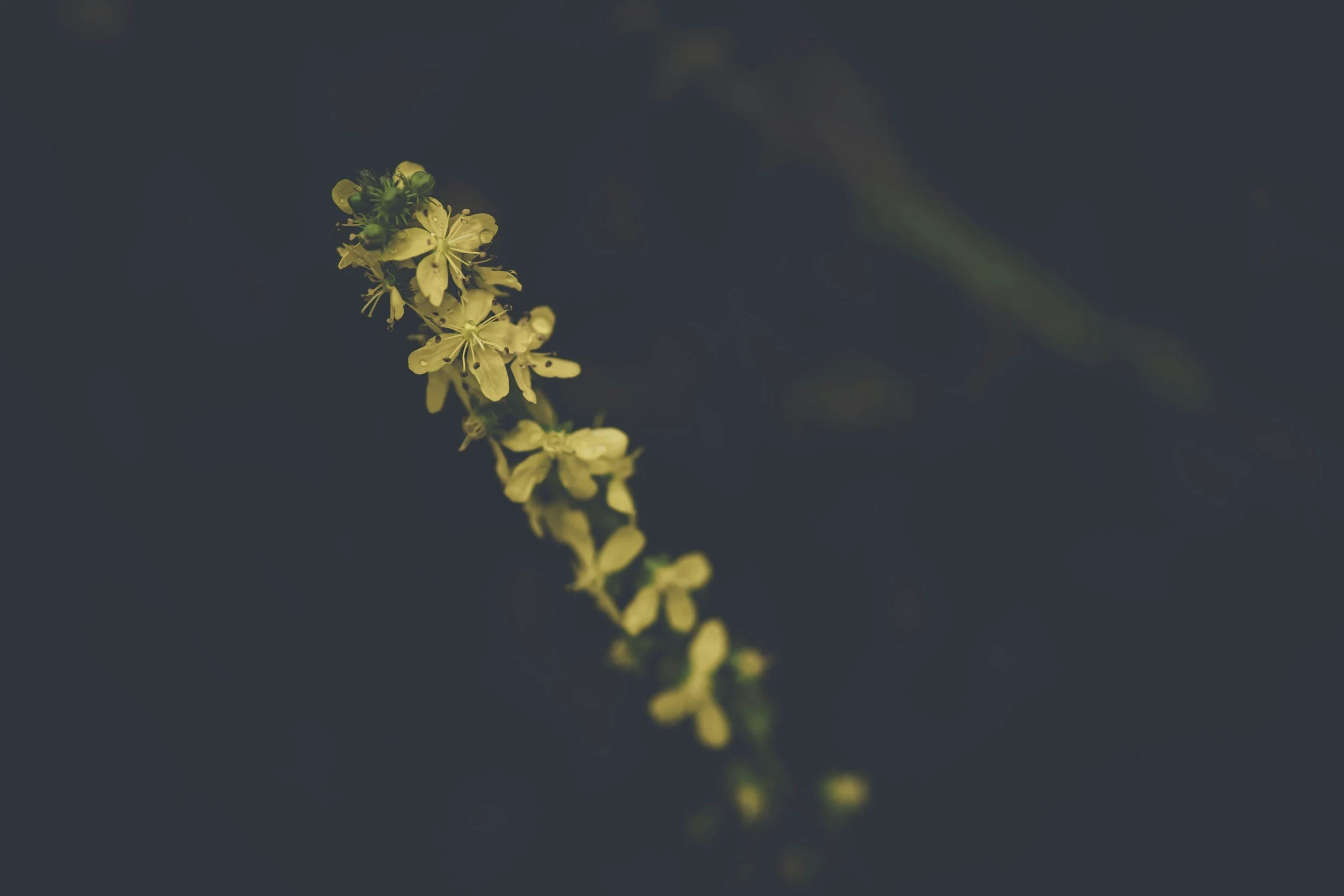
Agrimony (Agrimonia eupatoria)
Summary: An excellent remedy for "people pleasers" who hide their inner turmoil behind a cheerful facade and sacrifice their own needs to keep the peace.
Energetic Profile:
Primary Planet(s): Venus
Therapeutic Profile:
Therapeutic Actions: Bach Flower Remedy.
Medicinal Uses:
Harmonising Imbalance: As a Venusian remedy, Agrimony addresses an imbalance in the principle of harmony. It is for those who avoid conflict at all costs, repressing their true feelings.
Emotional Honesty: This remedy helps one confront others honestly and openly, moving from a superficial peace to a state of genuine inner balance and authentic relationship.
Spiritual & Evolutionary Properties (The Sulphur Level): Agrimony helps develop the positive Venusian trait of honest and open communication as the foundation for true harmony. It releases the inner torture that comes from repressing one's truth and facilitates the expression of authentic feelings, allowing for genuine connection rather than surface-level peace-keeping.
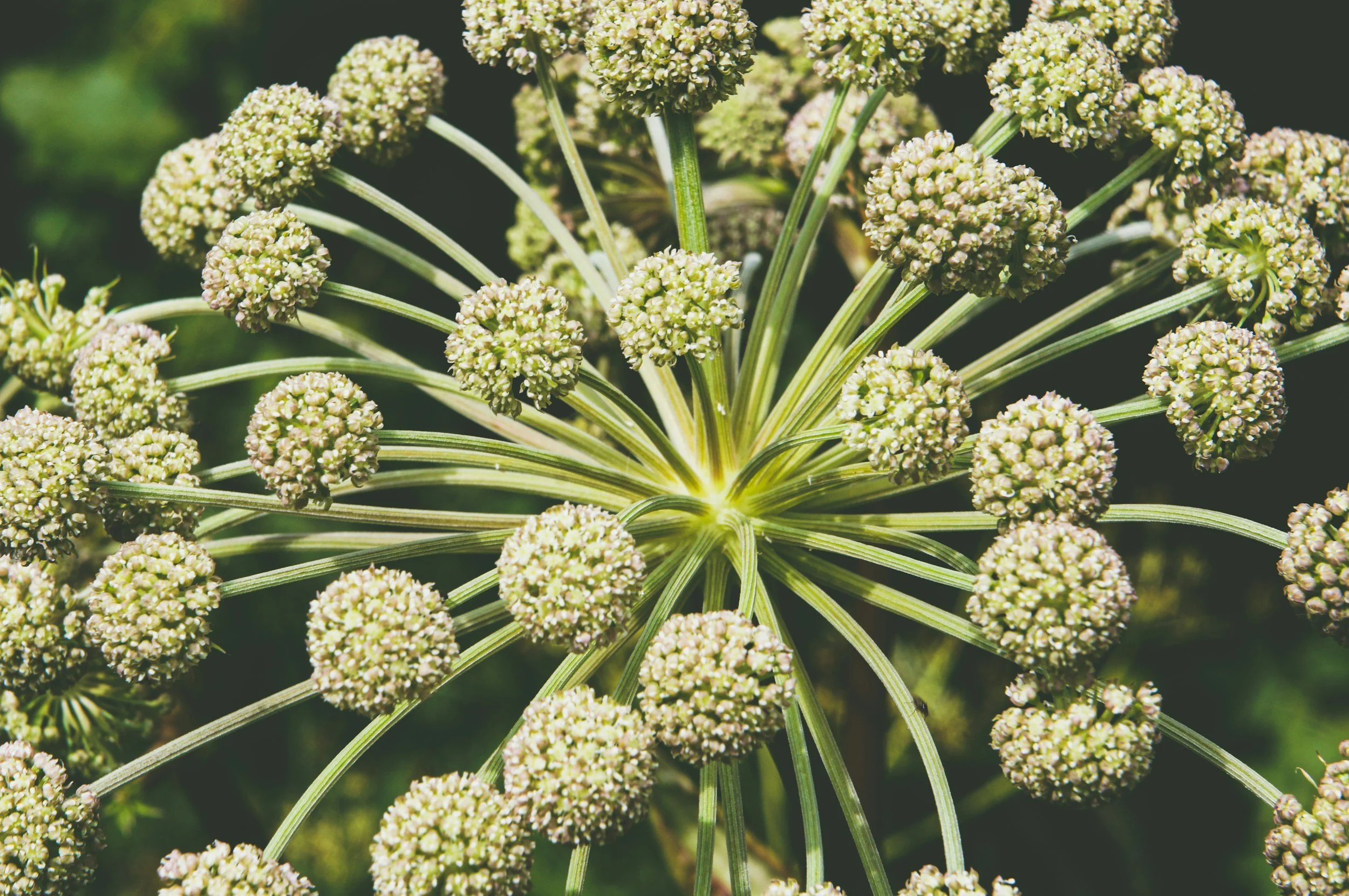
Angelica (Angelica archangelica)
Summary: A warming, stimulating solar herb that, by its signature of antipathy, thrives in cold, moist habitats to bring its inner fire to the world.
Energetic Profile:
Primary Planet(s): Sun
Nature: Warming, Stimulating
Therapeutic Profile:
Therapeutic Actions: Circulatory Stimulant.
Medicinal Uses:
Solar Vitaliser: Angelica embodies the warming, vitalizing power of the Sun. Its primary medicinal use is as a stimulating tonic that enhances circulation, bringing warmth and energy throughout the system.
Antipathetic Signature: It is a Sun plant that requires a cold, moist environment to germinate and grow, indicating that it brings its own internal heat to balance cold conditions.
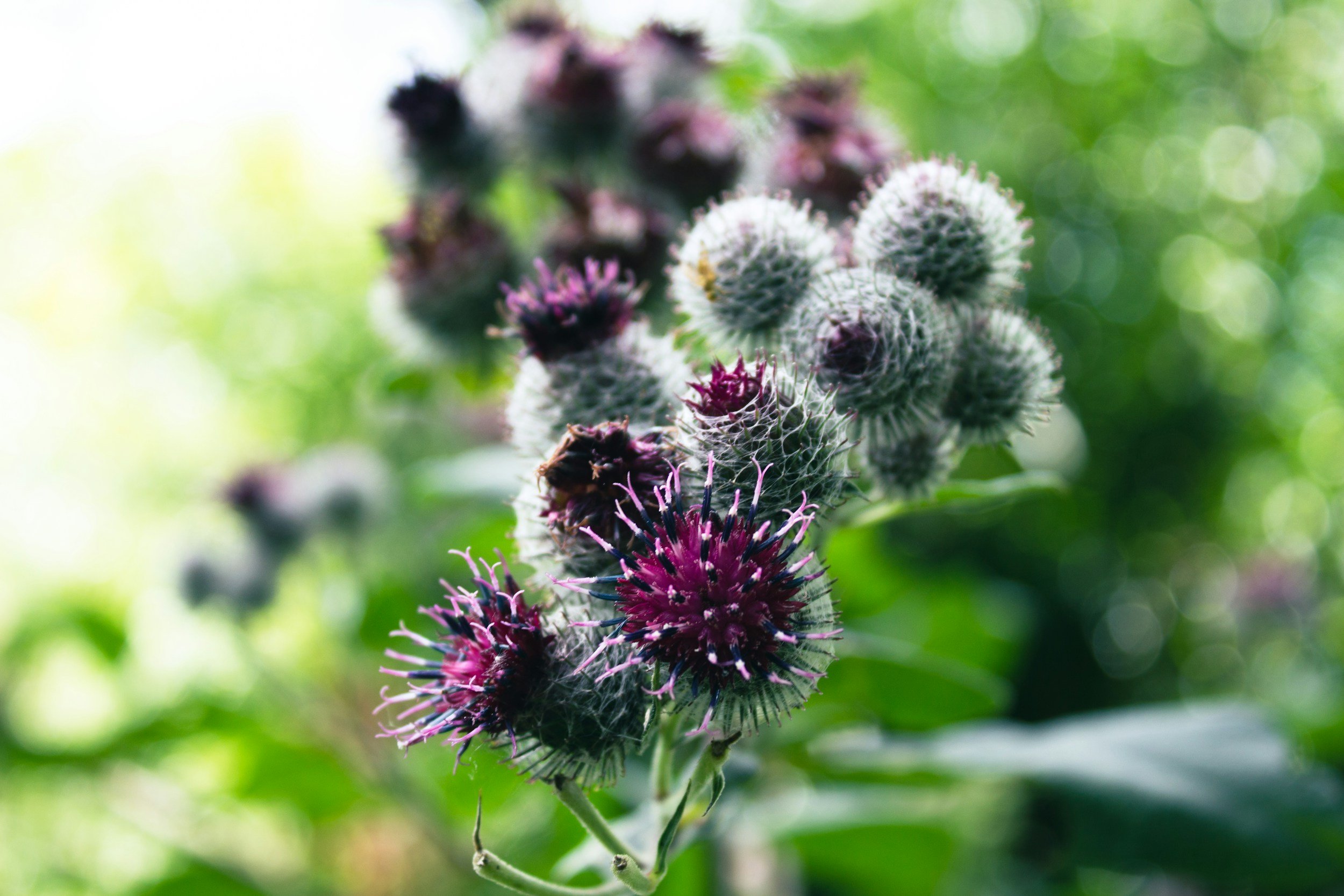
Burdock (Arctium lappa)
Summary: A premier alterative herb for cleansing the liver and blood, often used for clearing chronic skin conditions rooted in internal toxicity.
Energetic Profile:
Primary Planet(s): Venus
Taste(s): Bitter
Therapeutic Profile:
Organs & Systems Affected: Liver, Gallbladder, Kidneys, Skin.
Therapeutic Actions: Alterative, Hepatic, Tonic, Depurative.
Medicinal Uses:
Liver and blood support: Burdock is a classic bitter tonic. Its bitterness traditionally stimulates the liver and gallbladder, supporting bile flow and the digestion of fats.
Skin: In traditional Western herbalism burdock was given for chronic skin complaints such as acne and eczema, on the reasoning that supporting the organs of elimination eases the load carried by the skin. Modern practice would want the underlying picture, hormonal and digestive, understood alongside it.
Contraindications & Cautions: Generally regarded as safe.
Cayenne (Capsicum annuum)
Summary: A powerful Fire element remedy that warms the constitution, stimulates digestion, and "equalizes the circulation" by driving blood to the periphery.
Energetic Profile:
Primary Planet(s): Mars
Element(s): Fire
Taste(s): Pungent
Nature: Hot
Therapeutic Profile:
Organs & Systems Affected: Digestive system, Cardiovascular system.
Therapeutic Actions: Circulatory Stimulant, Diaphoretic, Carminative.
Medicinal Uses:
Warming Stimulant: Cayenne’s fiery nature has a powerful warming effect, starting in the digestive system and radiating heat to the rest of the body.
Equalises Circulation: Its primary pattern of action is to "equalise circulation." It achieves this by strongly driving blood and dilating capillary beds and arterial vessels, bringing potent blood flow to any area where it is lacking, thus relieving stagnation and coldness.
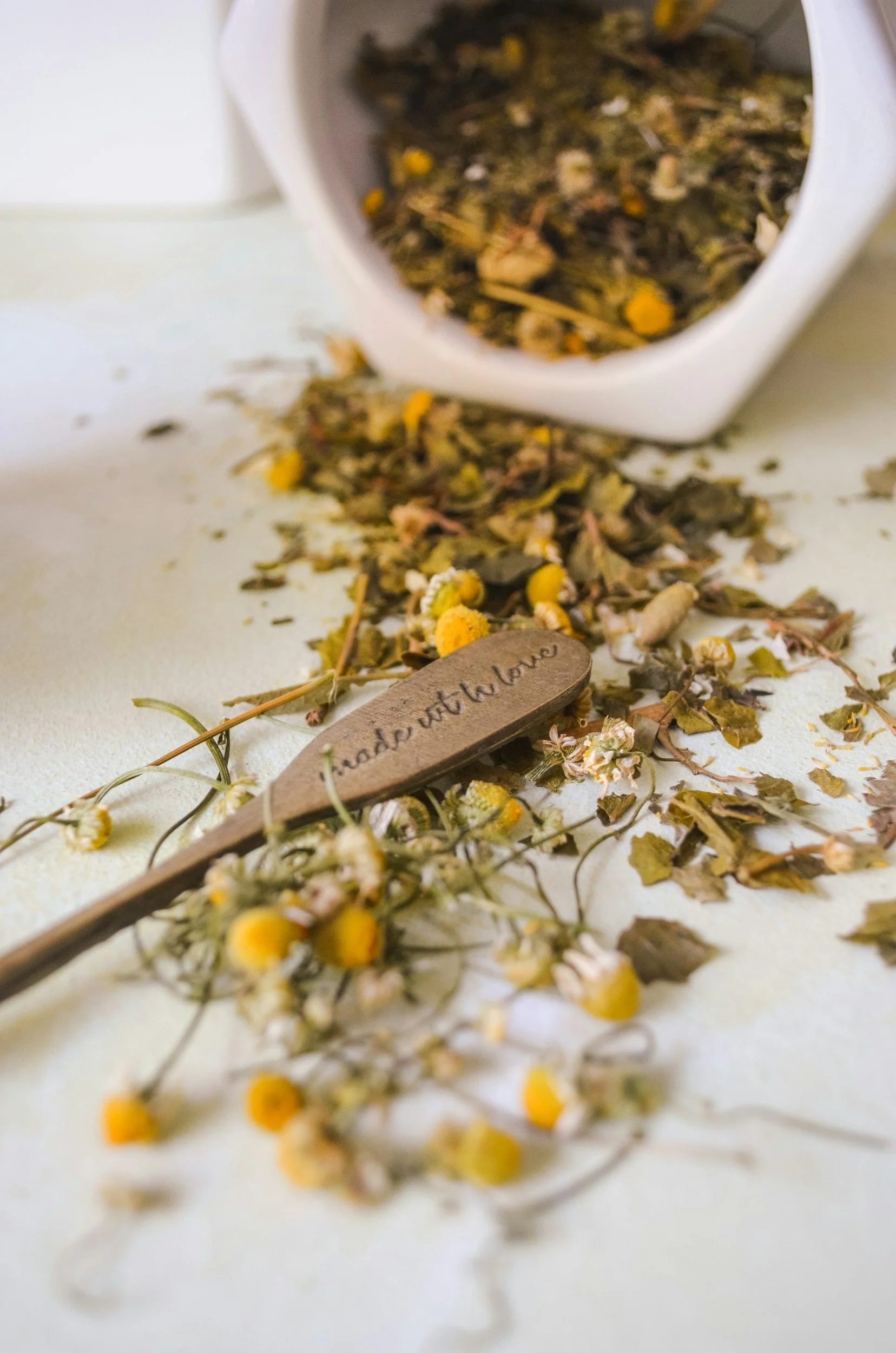
Chamomile
Summary: A classic solar herb used to soothe and relax the system, often included in calming formulas.
Energetic Profile:
Primary Planet(s): Sun
Therapeutic Profile:
Medicinal Uses:
Nervous System Relaxant: Chamomile’s correspondence to the Sun points to its ability to bring light and calm to the inner world.
Sleep Aid: It is a key ingredient in formulas designed to promote relaxation and is particularly useful for conditions like insomnia.
Chicory
Summary: A lunar flower essence for releasing stuck emotions and fostering unconditional nurturing.
Energetic Profile:
Primary Planet(s): Moon
Therapeutic Profile:
Therapeutic Actions: Bach Flower Remedy.
Medicinal Uses:
Emotional Release: Excellent for those who are overly nurturing in a way that can be emotionally manipulative or whose judgment is clouded by emotion.
Unconditional Nurturing: Allows one to be nurturing without expecting anything in return, freeing relationships from emotional dependency.
Cleavers (Galium aparine)
Summary: A gentle Venusian remedy that tones and decongests the lymphatic system, kidneys, and bladder.
Energetic Profile:
Primary Planet(s): Venus
Therapeutic Profile:
Organs & Systems Affected: Lymphatic system, Kidneys, Bladder.
Therapeutic Actions: Diuretic, Alterative, Lymphagogue.
Medicinal Uses:
Lymphatic Decongestant: Cleavers acts in a mild, gentle way to relieve congestion in swollen lymph glands and nodules throughout the body. Its cleansing action purifies the blood by supporting the elimination of waste material.
Urinary Tonic: It has a special affinity for the urinary tract, making it useful for kidney or bladder stones, suppression of urine, obstructions, or irritations due to inflammation or infection.
Contraindications & Cautions: Traditional sources caution against cleavers in diabetes. As with any diuretic herb, take advice first if you have kidney disease, are on diuretic medication, or are managing blood sugar.

Echinacea (Echinacea purpurea)
Summary: A Mars-ruled alterative renowned for purifying the blood, stimulating the immune system, and reducing infection.
Energetic Profile:
Primary Planet(s): Mars
Therapeutic Profile:
Organs & Systems Affected: Blood, Immune System, Skin.
Therapeutic Actions: Alterative, Antiseptic, Immune Stimulant.
Medicinal Uses:
Traditional use: As an alterative and antiseptic, echinacea root was classically given to clear the blood of toxic matter, and was indicated for blood poisoning arising from internal infection or from wounds.
Immune support: Research has explored echinacea's effect on white blood cell activity. Traditionally it is reserved for short-term acute use, at the very start of an illness or on exposure to one, rather than taken continuously.
Wound care: Applied externally as a poultice it was used to soothe wounds and reduce infection.
Contraindications & Cautions: Those suffering from leukemia should not take this herb.
Goldenseal (Hydrastis canadensis)
Summary: A potent Mars-ruled bitter tonic and antimicrobial herb that restores tone to lax mucous membranes throughout the body.
Energetic Profile:
Primary Planet(s): Mars
Therapeutic Profile:
Organs & Systems Affected: Gastrointestinal system, Mucous membranes.
Therapeutic Actions: Alterative, Tonic, Antimicrobial, Bitter.
Medicinal Uses:
Digestive Restorative: As a bitter, Goldenseal stimulates digestive secretions, improves appetite, and tones the entire gastrointestinal tract.
Mucous Membrane Tonic: It is specific for conditions involving lax, boggy, and atonic mucous membranes with yellow or green discharge, helping to restore tone and function.
Antimicrobial Action: The presence of berberine gives it potent activity against a wide range of bacteria, fungi, and protozoa, making it useful for infections of the digestive tract and skin.

Hawthorn (Crataegus laevigata)
Summary: A primary cardiotonic herb that nourishes and restores function to the heart, while also calming the central nervous system.
Energetic Profile:
Primary Planet(s): Sun (for its affinity to the heart), Venus (for its calming nature)
Taste(s): Sweet, Sour
Nature: Dry
Therapeutic Profile:
Organs & Systems Affected: Heart, Blood, Central Nervous System, Cardiovascular System.
Therapeutic Actions: Cardiotonic, Diuretic, Astringent, Tonic.
Medicinal Uses:
Premier Cardiotonic: Hawthorn is a long-term restorative tonic for the heart, not a fast-acting stimulant.
Cardiovascular Support: Its benefits include improving the heart's rate and rhythm, decreasing palpitations, and gently lowering blood pressure, making it a foundational remedy for cardiovascular health.
Spiritual & Evolutionary Properties (The Sulfur Level): As a flower essence, Hawthorn imparts the spiritual virtues of the heart: power, courage, and bravery. It strengthens one's resolve to act from a place of heart-centered strength.
Lemon Balm (Melissa officinalis)
Summary: A Jupiter-ruled aromatic nervine that uplifts the spirit, calms the nervous system, and supports digestion.
Energetic Profile:
Primary Planet(s): Jupiter
Element(s): Air
Therapeutic Profile:
Organs & Systems Affected: Nervous System, Heart, Digestive System.
Therapeutic Actions: Nervine, Carminative, Diaphoretic.
Medicinal Uses:
Uplifting Nervine: Lemon Balm embodies the expansive, uplifting quality of Jupiter, especially around the heart. It is a primary remedy for depression, lifting the spirit out of dark times while inducing a calm state of consciousness.
Digestive Aid: As it dries, the plant becomes more bitter and supports digestive activity, especially through the liver. Its carminative action also soothes gas and bloating.
Sleep Aid: Included in formulas for insomnia, it helps calm an overactive mind and relax the body.
Licorice (Glycyrrhiza glabra)
Summary: A sweet, moistening herb that soothes mucous membranes and provides deep support to the endocrine system, particularly the adrenal glands.
Energetic Profile:
Primary Planet(s): Moon, Venus, Jupiter
Element(s): Earth, Water
Taste(s): Sweet
Nature: Neutral, Moist
Therapeutic Profile:
Organs & Systems Affected: Endocrine system, Gastrointestinal system, Respiratory system.
Therapeutic Actions: Demulcent, Expectorant, Emollient, Pectoral, Stimulant.
Medicinal Uses:
Mucous Membrane Soother: Licorice's primary function is to soothe, soften, and lubricate dry and irritated mucous membranes throughout the body, from the throat and lungs to the entire intestinal tract.
Adrenal Support: It has a profound effect on the adrenal glands, enhancing cortisol production. This helps the body manage stress, balance blood sugar, and reduce inflammation.
Contraindications and cautions: Not for use in high blood pressure, heart or kidney disease, low potassium, or pregnancy, and not alongside corticosteroids or diuretics. Where adrenal reserves are genuinely depleted its stimulating action can feel jumpy and over-stimulating, rather like strong coffee on an empty battery.
Lobelia (Lobelia inflata)
Summary: A powerful relaxant herb corresponding to the Ether element, used to release constriction and tension in the muscular and nervous systems.
Energetic Profile:
Element(s): Ether
Taste(s): Acrid
Therapeutic Profile:
Organs & Systems Affected: Lungs, Nervous System, Musculoskeletal System.
Therapeutic Actions: Relaxant, Spasmolytic, Expectorant.
Medicinal Uses:
Systemic Relaxant: Lobelia's most defining characteristic is its ability to relax constriction of smooth and skeletal muscles, making it a premier remedy for the wind/tension tissue state.
Respiratory Aid: It is a specific expectorant for constricted, spasmodic coughs, helping to relax the bronchioles and facilitate the release of mucus.
Nervine: It has a powerful relaxing effect on the entire nervous system, easing tension and spasm throughout the body.
Motherwort (Leonurus cardiaca)
Summary: A "lion-hearted" nervine that powerfully calms the sympathetic nervous system and strengthens the heart, both physically and emotionally.
Energetic Profile:
Primary Planet(s): Venus, Sun (as ruler of Leo, the lion)
Taste(s): Acrid, Bitter
Therapeutic Profile:
Organs & Systems Affected: Heart, Central Nervous System, Gastrointestinal system.
Therapeutic Actions: Nervine, Cardiotonic.
Medicinal Uses:
Nervous System Calming: Motherwort's intense acrid bitters allow it to calm the sympathetic ("fight or flight") nervous system, making it an excellent remedy for heart palpitations caused by stress and anxiety.
Heart Tonic: It is a traditional heart tonic, believed to strengthen the heart's action and even promote the growth of new blood vessels to the heart.
Spiritual & Evolutionary Properties (The Sulphur Level): Motherwort works on an archetypal level to heal patterns of a dimmed heart fire. It restores courage, strength, and personal power where it has been lost. It is particularly noted for helping to heal ancestral patterns on the female lineage, allowing one to step into a place of empowerment and confidence.

Nettle (Urtica dioica)
Summary: A Mars-ruled plant that builds the blood, paradoxically modulates inflammation, and provides deep mineral nourishment to the body's structural and endocrine systems.
Energetic Profile:
Primary Planet(s): Mars
Element(s): Fire
Taste(s): Salty
Nature: Externally warming/inflammatory; internally cooling/anti-inflammatory.
Therapeutic Profile:
Organs & Systems Affected: Blood, Adrenals, Kidneys, Prostate, Thyroid, Nerves, Muscles.
Therapeutic Actions: Nutritive Tonic, Alterative, Anti-inflammatory, Diuretic.
Medicinal Uses:
Blood Builder: Rich in iron, it is a superior tonic for anaemia.
Paradoxical Anti-inflammatory: While its sting causes topical inflammation, it is used internally as a cooling anti-inflammatory for arthritis and seasonal allergies.
Specific Part Affinities: The seeds act as a stimulant for subclinical hypothyroid function, while the roots provide targeted support for the kidneys and prostate gland.
Spiritual & Evolutionary Properties (The Sulphur Level): Nettle embodies the potent, protective warrior spirit of its ruling planet, Mars.
Contraindications & Cautions: Its drying nature can be excessive for some individuals, leading to side effects such as headaches or constipation.
Pine
Summary: A Venusian flower essence for those who feel intrinsically unworthy of love and are trapped in patterns of guilt and self-sacrifice.
Energetic Profile:
Primary Planet(s): Venus
Therapeutic Profile:
Therapeutic Actions: Bach Flower Remedy.
Medicinal Uses:
Healing Unworthiness: This is an excellent remedy for Venus retrograde natives or others who feel intrinsically unworthy of love and praise.
Cultivating Self-Acceptance: It helps one move out of guilt, self-sacrifice, and the need to prove their worth into a space where they can accept and feel worthy of unconditional love.
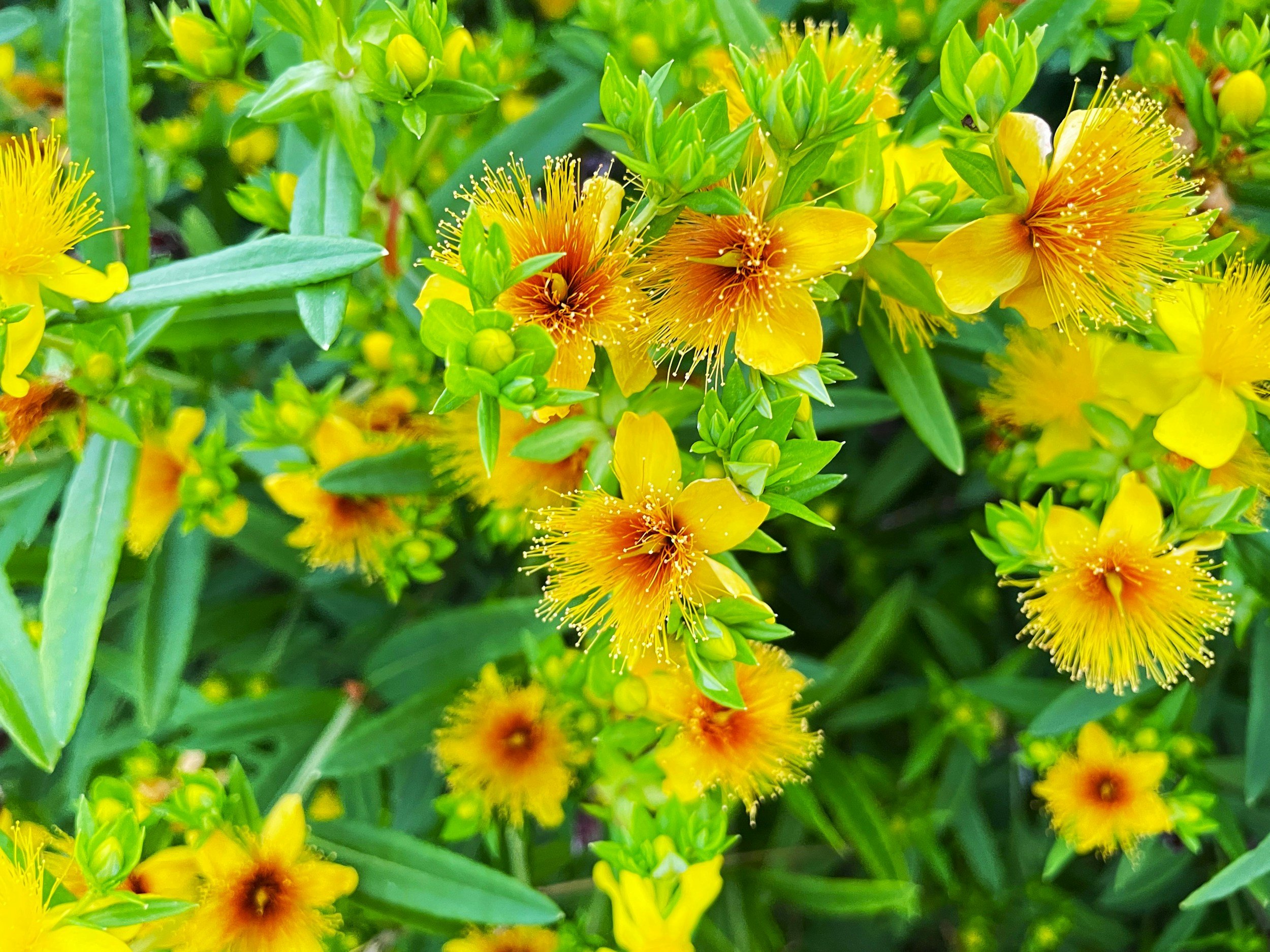
St. John's Wort (Hypericum perforatum)
Summary: A quintessential Sun herb that lifts the disposition, soothes nerve pain, detoxifies eliminative organs, and heals wounds.
Energetic Profile:
Primary Planet(s): Sun
Element(s): Fire
Therapeutic Profile:
Organs & Systems Affected: Nervous System, Liver, Bladder, Lungs, Skin.
Therapeutic Actions: Nervine Relaxant, Antiviral, Antibacterial, Vulnerary, Alterative.
Medicinal Uses:
Mood: St John's Wort is among the most extensively researched plants in Western herbal medicine for low mood, with a substantial clinical literature behind its traditional reputation for lifting the spirits.
Nerve pain: It has a long-standing affinity for the nervous system and was classically indicated for nerve pain such as sciatica.
Alterative: As an alterative it was traditionally used to support the primary organs of elimination, particularly the liver.
Wound healing: Its red-pigmented oil was prized historically as a premier vulnerary for septic and dirty wounds.
Contraindications and cautions: St John's Wort interacts with a wide range of prescription medicines, including SSRIs, anticoagulants, antiretrovirals, ciclosporin and hormonal contraception, and it increases photosensitivity. This is a herb to take only with the knowledge of whoever prescribes for you.
Willow (Salix spp.)
Summary: A classic Lunar herb with a long history of use for relieving fever, pain, and inflammation.
Energetic Profile:
Primary Planet(s): Moon
Therapeutic Profile:
Therapeutic Actions: Febrifuge, Analgesic, Anti-inflammatory.
Medicinal Uses:
Pain & Fever Relief: With over 2,000 years of historical use, Willow is a primary remedy for conditions involving pain, fever, and inflammation.
Source of Salicylic Acid: The bark is the original source of salicylic acid, from which aspirin is derived, explaining its potent analgesic and anti-inflammatory effects.
Yarrow (Achillea millefolium)
Summary: A Venusian herb that powerfully stops bleeding, regulates circulation, and induces sweating to break fevers.
Energetic Profile:
Primary Planet(s): Venus
Taste(s): Bitter, Pungent
Nature: Cool, Dry
Therapeutic Profile:
Organs & Systems Affected: Heart, Liver, Spleen, Cardiovascular System, Uterus.
Therapeutic Actions: Diaphoretic, Vulnerary, Astringent, Emmenagogue, Tonic.
Medicinal Uses:
Styptic & Vulnerary: Yarrow is a premier remedy for stopping bleeding, both internally and externally. Its vulnerary action makes it invaluable for wounds.
Circulatory Regulator: It has a dual action on the blood, capable of both breaking up stagnation and toning lax blood vessels.
Diaphoretic: As a relaxing diaphoretic, it opens the pores to release heat, making it a classic remedy for the initial stages of fevers, colds, and flus.
Female Reproductive Tonic: As an emmenagogue, it relieves pelvic congestion and stimulates menses when flow is stagnant or delayed.
Conclusion: The Ongoing Path of the Herbalist
This materia medica is merely a starting point, the tip of the iceberg of a very deep and mystical subject studied by healers for thousands of years. The true practice of evolutionary herbalism is an invitation to understand and commune with the all-encompassing spirit of Nature.
By learning to perceive the archetypal patterns that connect all of life, we embark on an ongoing journey of discovery and healing, not only for our clients but for ourselves. It is a path that calls us to become humble servants of the Earth, reweaving the pattern of Nature into the human heart.
How I Work at The Barefoot Healers
Have you been struggling with your physical, mental or spiritual self? Do you want to understand more about how your body actually works, your individual constitution, your own blueprint for health? This is not a one size fits all approach. It is a transformational process that draws on many different tools to find the path that belongs to you.
My work is rooted in integration. Twenty seven years of nursing, much of it in critical care, alongside integrative health and medical astrology. I read the clinical picture and the constitutional one together, because each tends to explain something the other cannot. Where plants belong in that picture, they are chosen for your pattern rather than for your symptom list, and always alongside your medical care rather than instead of it.
In practice that means an individualised assessment of the whole person: your constitution, your elemental balance, your temperament, and the places where the vital force falters. From there we work out which practices, foods and daily rhythms will genuinely support you, and which will not.
If you are ready to step onto your own barefoot path, rooted in nature, guided by the stars and informed by real clinical experience, there are two ways to begin.
Book a free discovery call, 30 to 45 minutes, at https://l.bttr.to/wePJh
Or explore your own constitutional blueprint free at https://medicalastrologyguide.com
References
Akron and Banzhaf, H., 1995. The Crowley Tarot. Translated by C. Grimm. Stamford, CT: U.S. Games Systems.
Bergner, P., 2006. Advanced Herbal Actions and Formulation. Boulder, CO: North American Institute of Medical Herbalism. [Compact disc].
Bergner, P., 2006. Materia Medica Intensive. Boulder, CO: North American Institute of Medical Herbalism. [Compact disc].
Boehme, J., 2010. The Signature of All Things. Whitefish, MT: Kessinger Publishing.
Buhner, S.H., 2004. The Secret Teachings of Plants. Rochester, VT: Bear and Company.
Buhner, S.H., 2011. Plant Intelligence and the Imaginal Realm. Rochester, VT: Bear and Company.
Buhner, S.H., 2014. Plant Intelligence and the Imaginal Realm. Rochester, VT: Bear and Company.
Caldecott, T., 2014. Inside Ayurveda. New Westminster, BC: Phytoalchemy Press.
Chia, M., 1989. Fusion of the Five Elements. Rochester, VT: Destiny Books.
Culpeper, N., n.d. Culpeper’s Complete Herbal. London: W. Foulsham and Co.
Darwin, C., 1880. The Power of Movement in Plants. London: John Murray.
Fortune, D., 2008. The Mystical Qabalah. Glastonbury: Fraternity Sanctum Regnum.
Frawley, D., 2012. Soma in Yoga and Ayurveda. Twin Lakes, WI: Lotus Press.
Frawley, D. and Lad, V., 1986. The Yoga of Herbs. Twin Lakes, WI: Lotus Press.
Gass, W.H., 1985. Habitations of the Word. New York: Simon and Schuster.
Goethe, J.W. von, quoted in Buhner, S.H., 2004. The Secret Teachings of Plants. Rochester, VT: Bear and Company.
Graves, J., 2012. The Language of Plants: A Guide to the Doctrine of Signatures. Great Barrington, MA: Lindisfarne Books.
Hartmann, F., ed., 1992. Life and the Doctrines of Philippus Theophrastus Bombast of Hohenheim Known as Paracelsus. Whitefish, MT: Kessinger Publishing.
Hill, J., 1997. The Astrological Body Types. Eureka, CA: Borderland Sciences Research Foundation.
Hill, J., 2004. Medical Astrology. Portland: Stellium Press.
Jacobi, J., ed., 1951. Paracelsus, Selected Writings. Princeton, NJ: Princeton University Press.
Karban, R., 2015. Plant Sensing and Communication. Chicago: University of Chicago Press.
Lad, V., 1984. Ayurveda: The Science of Healing. Twin Lakes, WI: Lotus Press.
Mancuso, S. and Viola, A., 2015. Brilliant Green. Washington, DC: Island Press.
McKenna, T., 1992. Food of the Gods. New York: Bantam Books.
Montgomery, P., 2008. Plant Spirit Healing. Rochester, VT: Bear and Company.
Sagan, S., 1996. Planetary Forces, Alchemy and Healing. Sydney: Clairvision School Foundation.
Steiner, R., 1994. Theosophy. Hudson, NY: Anthroposophic Press.
Tenzin Wangyal Rinpoche, 2002. Healing with Form, Energy and Light. New York: Snow Lion Publications.
The Three Initiates, 2018. The Kybalion. New York: TarcherPerigee.
Tillotson, A., Bajracharya, V.M.B. and Caldecott, T., eds., 2009. Ayurveda in Nepal. Vol. 1: Ayurvedic Principles, Diagnosis and Treatment. Shelbyville, KY: Wasteland Press.
Tierra, M., 1988. Planetary Herbology. Twin Lakes, WI: Lotus Press.
Tierra, M., 1992. Planetary Herbology. Twin Lakes, WI: Lotus Press.
Waite, A.E., ed., 1894. The Hermetic and Alchemical Writings of Paracelsus. London: James Elliot and Co.
Walleczek, J., 2000. Self Organized Biological Dynamics and Nonlinear Control. Cambridge: Cambridge University Press.
Weeks, A., ed. and trans., 2008. Paracelsus (Theophrastus Bombastus von Hohenheim, 1493–1541): Essential Theoretical Writings. Leiden: Koninklijke Brill.
Wood, M., 1992. Vitalism. Berkeley, CA: North Atlantic Books.
Wood, M., 2003. The Practice of Traditional Western Herbalism. Berkeley, CA: North Atlantic Books.
Wood, M., 2004. The Practice of Traditional Western Herbalism. Berkeley, CA: North Atlantic Books.
Wood, M., 2008. The Earthwise Herbal. Berkeley, CA: North Atlantic Books.
About the author
Jennie Lowes is a Registered General Nurse with 27 years of clinical practice, twelve of them in UK critical care, now registered with the Ordem dos Enfermeiros in Portugal. She holds a BSc in Nursing and an MA in Medical Ethics and Law, is IPHM accredited, and works as an Integrative Health Practitioner and Medical Astrologer from Portugal's Silver Coast with clients worldwide. She writes about the places where clinical medicine and the older constitutional traditions meet.